
If you've started waking up overheated, damp, and wide awake in the middle of the night, you're far from alone. In a 2022 Fawcett Society survey of over 4,000 women in the UK, 84% named trouble sleeping as the symptom that affected them most at work, and 77% said at least one menopause symptom was very difficult to live with. Night sweats and hot flushes sit at the centre of that experience for most women.
What's actually happening in the body
As oestrogen levels decline during perimenopause and menopause, the hypothalamus — the part of the brain that acts as your body's internal thermostat — becomes more sensitive to small shifts in temperature. Researchers describe this as a narrowing of the "thermoneutral zone," the comfortable range in which your body doesn't need to actively cool or warm itself.
When your core temperature nudges even slightly outside that narrower range, the body can overreact, triggering a hot flush: blood vessels near the skin dilate, heart rate rises, and you sweat to cool down. At night, this same mechanism shows up as night sweats, often severe enough to wake you fully — sometimes leaving you changing sheets at 2 or 3am and lying there wide awake, unable to drift back off.
Why this hits sleep so hard
Falling asleep and staying asleep both depend on your core body temperature dropping by roughly half a degree to a degree Celsius. It's one of the strongest biological signals your brain uses to move through the sleep cycle. A hot flush works directly against that signal — it raises your temperature at the exact moment your body is trying to lower it, which is why night sweats don't just interrupt sleep, they actively fight the process that makes sleep possible in the first place.
It isn't a lack of willpower or poor sleep habits. It's a temperature regulation system working against you at the worst possible moment.
What can help
1. Manage your sleep environment first
- Keep the room cooler than feels necessary. Most sleep researchers recommend a bedroom temperature between 16–19°C, cooler than most people default to.
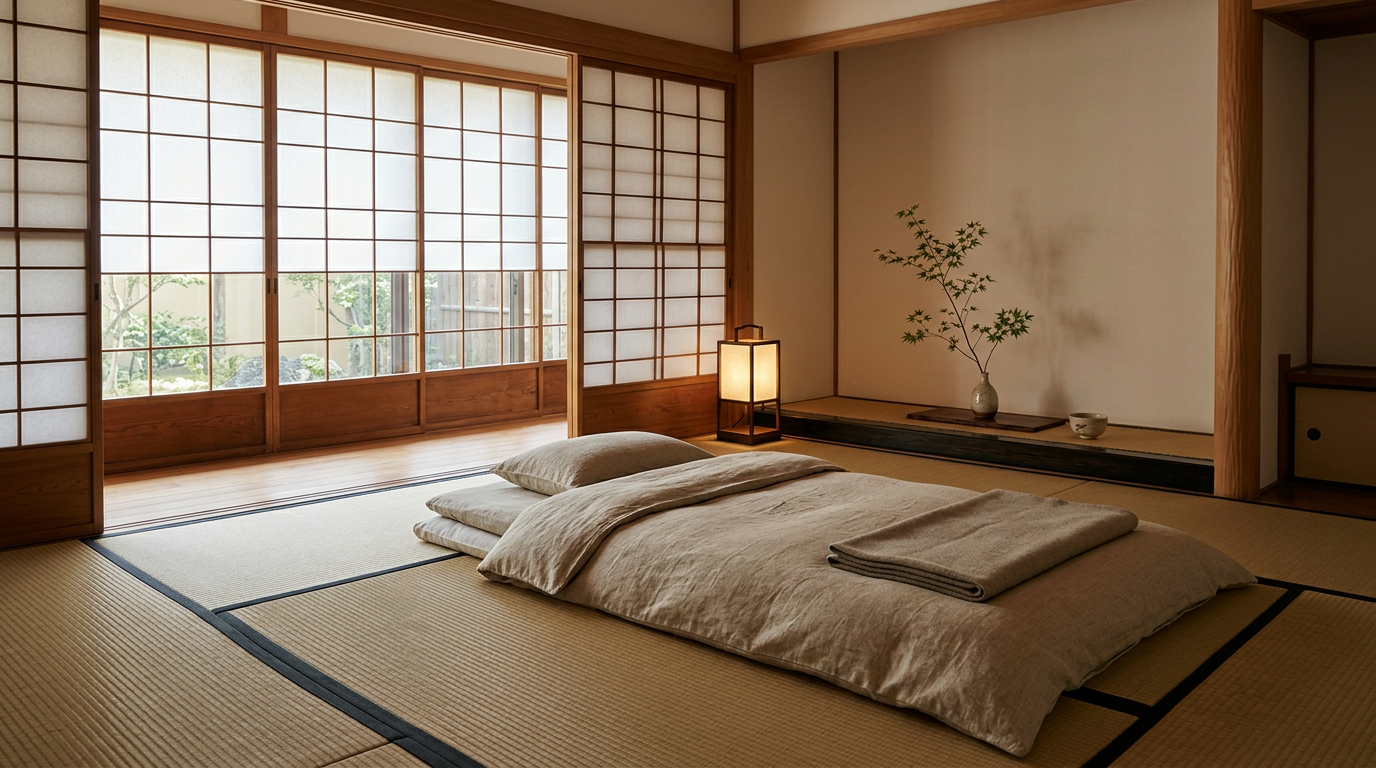
- Layer, don't bundle. Several thin, breathable layers you can remove in the night beat one heavy duvet.
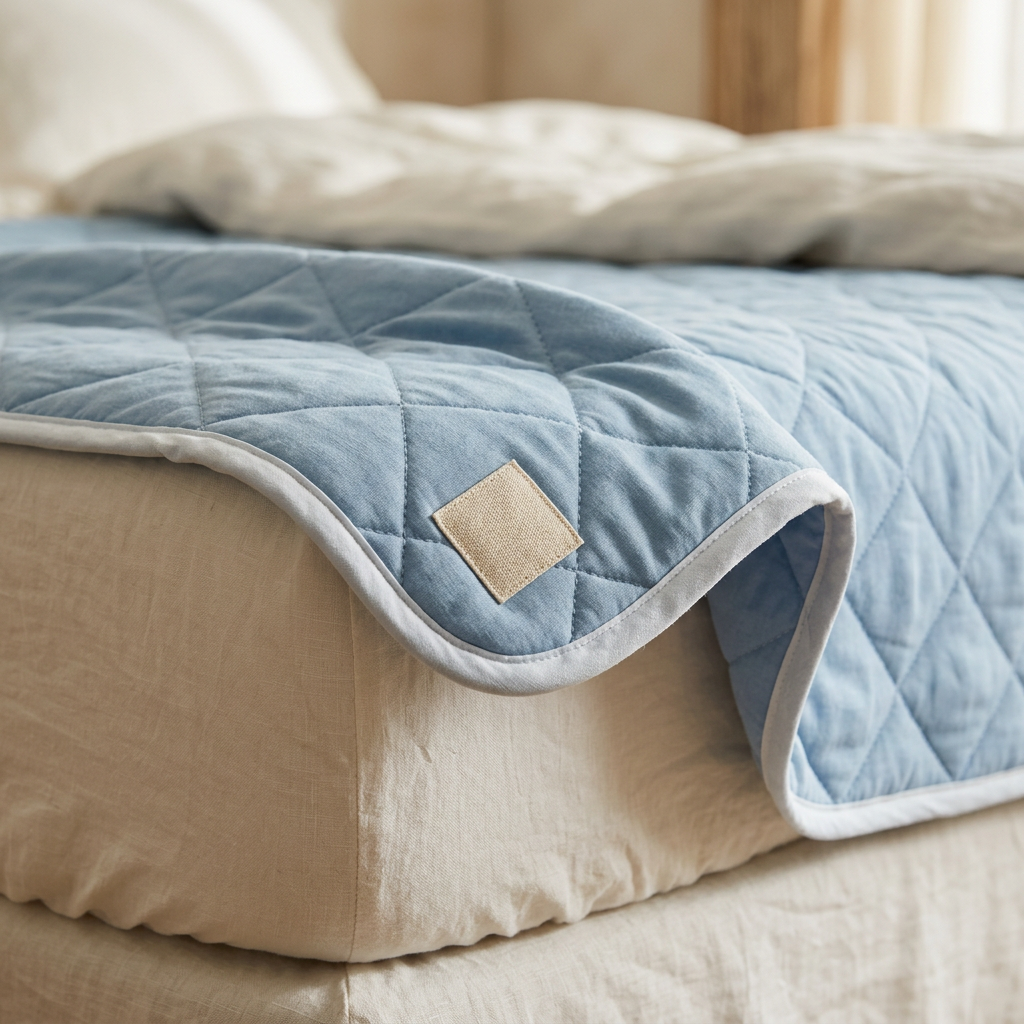
- Choose bedding and sleepwear for how they handle heat and moisture, not just how they look. Natural, breathable fibres and materials designed to wick moisture away from the skin make a noticeable difference for many women, even before you consider anything more specialised.
2. Look at your evening routine
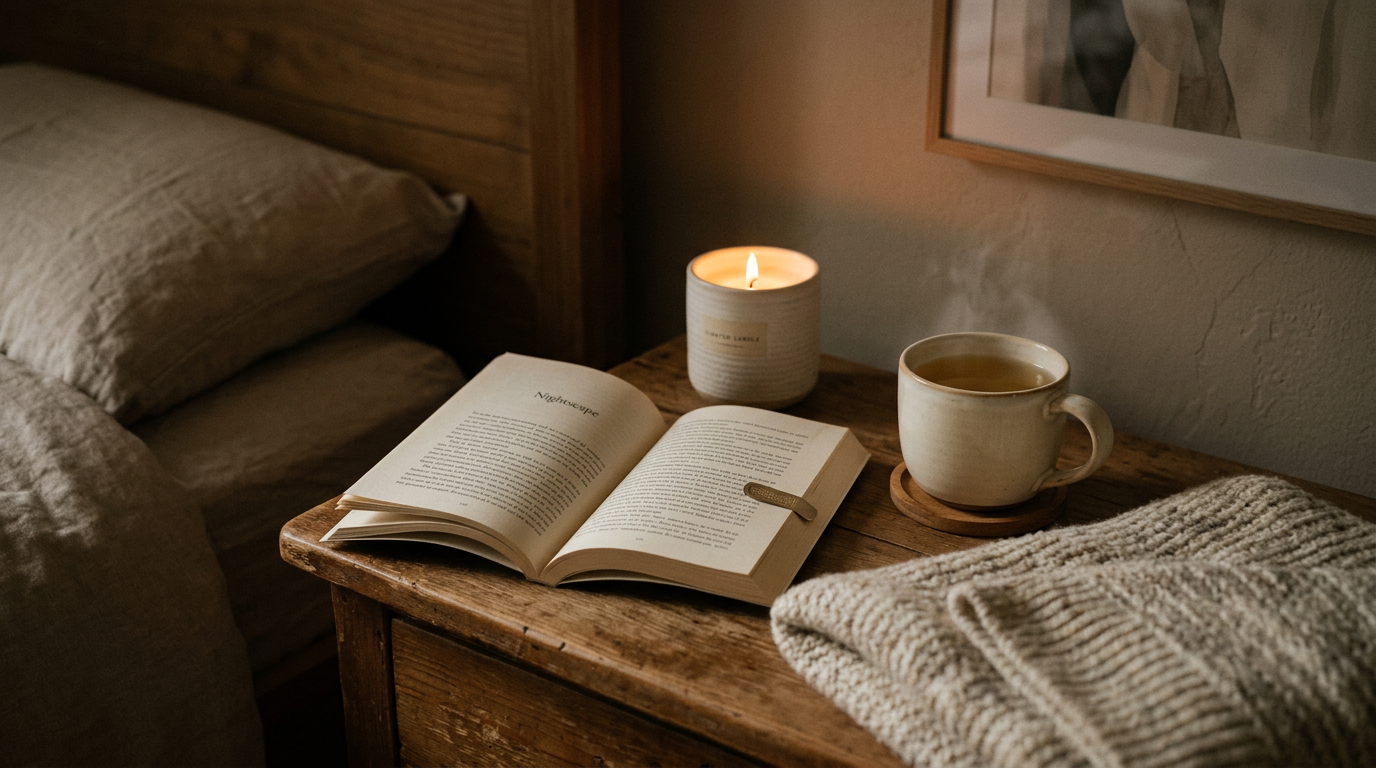
- Caffeine and alcohol both interfere with temperature regulation and sleep quality — even a single evening drink can make night sweats worse for some women.
- Spicy food close to bedtime can trigger a flush in the same way it does during the day.
- A cooler shower an hour or two before bed can help lower your core temperature ahead of sleep.
3. Keep a consistent sleep schedule
Going to bed and waking at the same time, even on weekends, helps stabilise the body's circadian rhythm, which in turn supports more consistent temperature regulation overnight.
Where bedding fits in
None of this replaces medical advice, but bedding is one of the few things you have direct, nightly control over. Materials that are engineered to manage heat and moisture — rather than simply insulate — are a well-established part of bedding design in countries with hot, humid summers, and it's an area we think deserves a lot more attention here in the UK.